

| Insight | Why It Matters | Application | Tags |
|---|---|---|---|
| AI-driven digital twins are now being developed for the human brain. | It could redefine how mental health is diagnosed and treated. | Personalized cognitive care and predictive therapy through digital models. | AI health, digital twins, cognitive science, mental wellness, neuroscience |
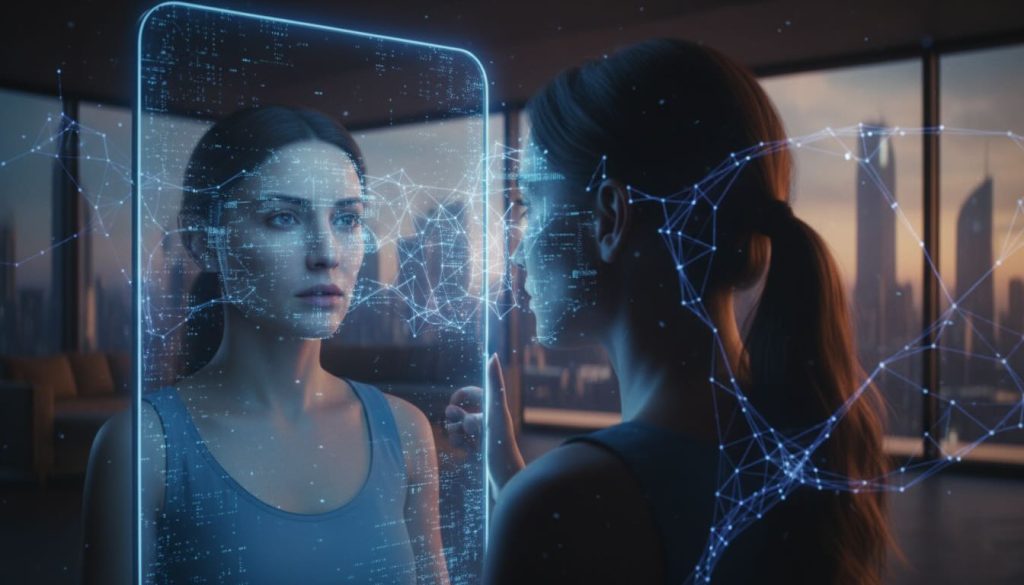
When most people hear the word “twins,” they imagine two identical people sharing the same looks and maybe a few habits. But in the world of artificial intelligence, “digital twins” mean something entirely different. They represent a fast-growing frontier in technology that could soon change how we understand the human mind.
A digital twin is a dynamic virtual model that mirrors a real system in real time. It learns from every piece of data it receives, predicts what will happen next, and helps optimize performance before anything goes wrong. In industries like aviation, manufacturing, and automotive design, digital twins are already predicting faults, improving systems, and designing better machines. Now, researchers are beginning to apply this same principle to the human body and even to the human brain.
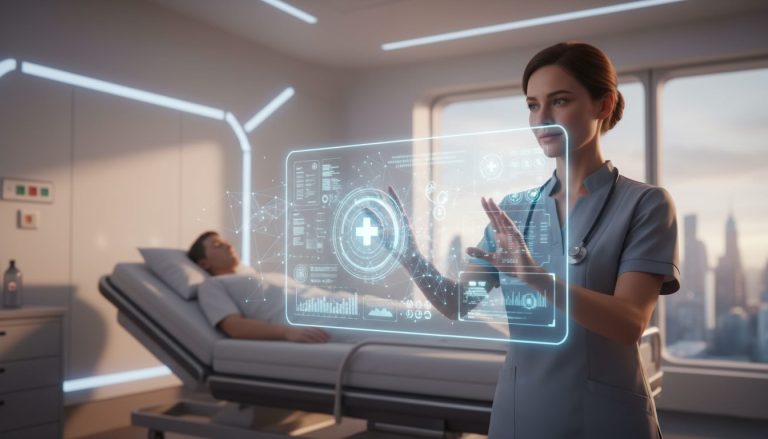
In agriculture, these models have helped forecast crop behavior under different climate conditions. In medicine, cardiac digital twins already simulate how individual hearts respond to arrhythmias or drugs, giving doctors a risk-free window into a patient’s unique physiology. But what if we could do the same for mental health?

Cognitive and emotional well-being are essential to human life but remain among the hardest challenges in healthcare. Disorders like depression, anxiety, and Alzheimer’s still resist early detection and personalized prevention. This is where artificial intelligence steps in. By analyzing massive streams of biological and behavioral data, AI can detect mental decline before it’s visible, suggest interventions tailored to each person, and speed up the creation of safer therapies.
A new study from scientists at Duke University, Columbia University, Nebrija University, and CogniFit introduces a groundbreaking framework for what they call digital cognitive twins virtual models that replicate a person’s brain and behavior using data from their emotions, routines, and neural activity. With every new interaction, these digital twins learn, evolve, and adapt to the user’s mental state.
Imagine having your own AI twin that can predict how your memory or focus might change, or suggest specific brain exercises to strengthen cognitive resilience before real problems arise. These twins could become lifelong mental wellness companions, continuously monitoring and enhancing the mind.
What makes this idea even more practical is that the foundation already exists. The smart devices we wear from fitness trackers to smartwatches already record heart rate, sleep, movement, and stress levels. By feeding this information into an AI model, a “digital double” could respond in real time, adjusting cognitive training or lifestyle advice based on your current physical and emotional condition.
In this new ecosystem, AI acts as a conductor, harmonizing all the incoming data into one adaptive mental health system that doesn’t just react it anticipates.

Until now, digital brain training mostly meant simple games or puzzles that rarely made a lasting impact. Digital cognitive twins change that. They move beyond one-size-fits-all exercises toward personalized mental fitness systems, guided by clinicians and backed by scientific research. This is preventive medicine at its most individualized form constantly learning, adjusting, and protecting the user’s cognitive health.
Still, challenges remain. Privacy must be guaranteed, AI decisions must stay transparent and ethical, and access must be inclusive to prevent technological inequality. But the potential outweighs the risks. A growing body of research shows that digital tools can already slow or prevent cognitive decline when used responsibly.
The rise of cognitive twins could be one of the defining transformations in neuroscience and mental healthcare. Just as smartphones once seemed like science fiction, the idea of having a personal AI twin that understands your brain may soon feel natural. In the near future, our own digital counterparts could help us monitor, train, and heal our minds a mirror that not only reflects who we are but helps us become better versions of ourselves.
The Bigger Picture:
Digital cognitive twins could become a cornerstone of the next era in mental healthcare. By combining data from wearable devices, emotional analysis, and AI-driven simulations, these twins create a real-time reflection of our mental state. For the U.S. healthcare system, this could mean faster diagnosis, precision mental health treatments, and proactive brain wellness programs personalized for every patient. As AI models mature, the digital twin ecosystem could extend beyond hospitals to homes, schools, and workplaces, helping millions detect early signs of stress or neurodegeneration. This is not just a medical innovation it’s the birth of preventive digital psychiatry, where your AI twin learns who you are, predicts what you need, and helps you stay mentally strong.
#AIMentalHealth #DigitalTwins #CognitiveAI #Neurotech #AIHealth #SmartHealthcare #BrainScience #AIMedicine #MentalWellness #PersonalizedHealth #TechInnovation #FutureOfMedicine #AIWellbeing #DigitalTherapy #HealthTechTrends




0 Responses
No responses yet. Be the first to comment!