


Snapchat has confirmed that it will begin charging users who want to store large amounts of photos and videos, a move that has quickly generated criticism across its global audience. Since 2016, the app has allowed people to keep their favorite posts inside a feature called Memories, a private archive that lets users revisit content long after it disappears from public view. Now, with more than one trillion Memories already saved, the company says anyone who exceeds five gigabytes of storage will need to pay in order to keep their content available.

For years, Memories has been a core part of Snapchat’s culture. It allows people to capture moments, reshare them later, and hold onto digital history that was never meant to vanish. But under the new policy, those with more than five gigabytes of saved content will be asked to upgrade to a storage plan. Users will first be offered a 100GB storage option, priced at $1.99 per month. More extensive plans, such as a 250GB tier, will be included in Snapchat+ subscriptions at $3.99 per month. For anyone who exceeds the limit but does not want to subscribe, Snap says it will provide 12 months of temporary storage to give users time to download their content to personal devices.
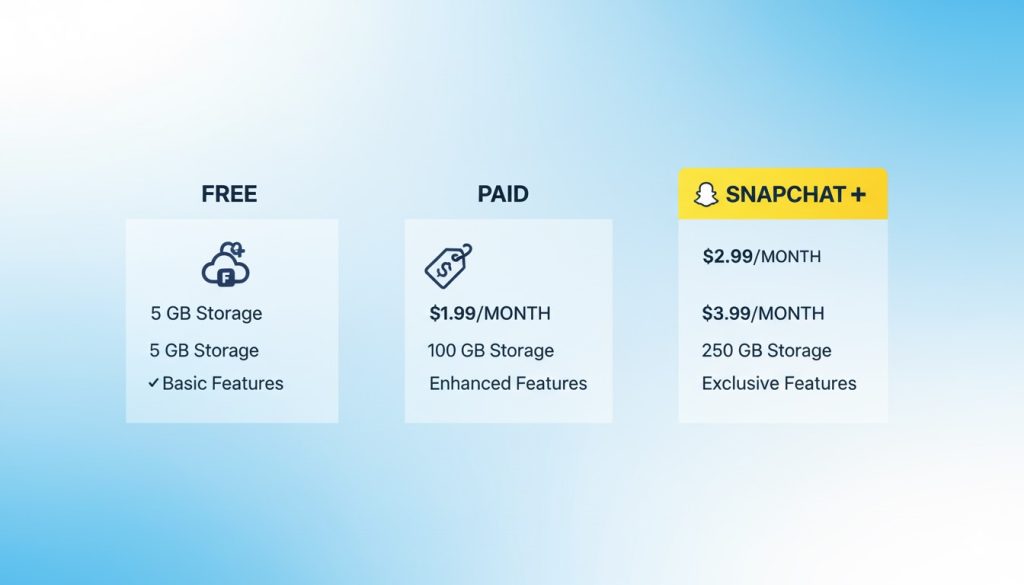
The change has been framed by the company as an effort to make the Memories feature sustainable for the future. In a blog post, Snap acknowledged that moving from free storage to a paid model is not easy but emphasized that these changes are essential to keep investing in better tools for the community. Snap insists the vast majority of users will not be affected, since most have less than five gigabytes saved. Yet those who have relied on free storage for years, building up large digital archives, now face a new reality where cherished photos and videos may come with a price tag.
Reactions on social media highlight the frustration. Many users accuse Snapchat of being greedy, pointing out that they stored content in good faith believing Memories would always remain free. Others argue that forcing people to pay or risk losing their digital history is unfair. This backlash reflects a broader debate about whether social platforms should charge for features that once defined their user experience.

Industry experts suggest that this development is part of a larger trend. Drew Benvie, CEO of social media consultancy Battenhall, explained that charging for storage on social media is likely inevitable. He points out that in today’s digital landscape, people post less but save more, creating an environment where archiving and data preservation matter as much as sharing. According to him, this is an evolution of social platforms, where free services gradually shift toward subscription-based models.
Snapchat’s shift comes at a time when the platform is competing fiercely with rivals like Instagram and TikTok, which each count billions of users compared to Snap’s 900 million monthly active users reported in April. Introducing paid tiers for storage could give Snap a fresh revenue stream, but it also risks alienating loyal users who feel that Memories is part of the app’s DNA.

The Bigger Picture
The move to paid storage on Snapchat reflects a broader shift in the social media industry, where free unlimited features are slowly disappearing in favor of monetized models. For American users, especially those who have relied on Snapchat for years, this change serves as a reminder that digital platforms are businesses first. As data grows and storage demands increase, platforms like Snapchat, Instagram, and TikTok are expected to follow similar paths, gradually introducing costs for features that were once free. For users, the key is to stay proactive, back up important content on personal devices, and understand how subscription models may evolve.
Snapchat #SnapchatNews #SnapchatStorage #SnapchatUpdate #SnapchatPlus #SocialMediaTrends #DigitalStorage #PhotoBackup #AppSubscriptions #TechNews #SocialMediaNews #USAtech #DigitalLife #SnapInc #SnapchatPremium








0 Responses
No responses yet. Be the first to comment!